We Finally Left the Boatyard… Here's What 2 Years Taught Us
Two years after hauling out, ROAM finally left the boatyard. Here are the biggest lessons from rebuilding a 54-foot catamaran from the keel up.
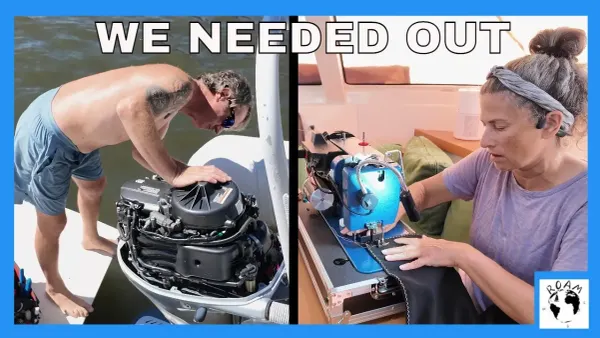
Two years after hauling out for what was supposed to be a six-month refit, ROAM left the boatyard for good. The first hours back on the water were kept short and easy on purpose — a deliberate choice to ease back into cruising rather than adding pressure on day one. Almost immediately, the post-refit punch list started growing. The masthead wind sensor had shifted during mast stepping and needed straightening. That's how refits end: not with everything perfect, but with enough done to leave safely and keep improving underway.
This episode is a reflection on what two years of rebuilding a 54-foot catamaran actually taught, framed around the trip north to Annapolis.
Two years, countless setbacks, and one 54-foot catamaran rebuilt from the keel up. Here's what we'd do differently next time.
What Happened
The trip started modestly — short hops, an easy first anchorage, and time spent alongside friends from the boatyard on their own boat. Small issues surfaced quickly, the kind that only show up once a system is actually in use rather than sitting static in a yard.
A stop at the yacht club turned into helping a fellow boat owner with an electrical project — a nice shift after two years spent entirely focused on one boat. Priorities there included installing the main sail battens and lazy jack rigging so the mainsail could go up for the first time since the refit began.
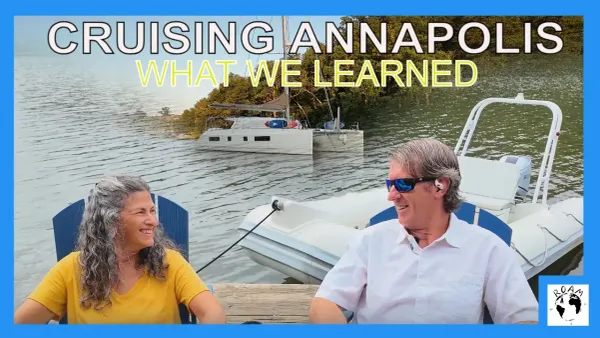
The trip north toward Annapolis hit real cruising conditions: deteriorating forecasts, headwinds, and a decision to duck into a river and wait rather than push a schedule. Low fuel and an unhoistable mainsail meant relying on the engines, which led to dinghy runs with jerry cans to a general store near Hooper Island for fuel. Eventually, Annapolis arrived — seen for the first time as cruisers rather than boat show visitors and a long overdue lunch with our kids.
Throughout the trip, the reflection kept circling back to specific lessons: reducing scope, importing strategically, testing incrementally, budgeting for delays, respecting material requirements, and being careful about who does the work.
Why It Matters
Reduce your scope. The single biggest lesson: don't try to do everything at once. Breaking a refit into smaller phases — tackling the most critical systems in a defined window, then going sailing before returning for more — prevents two years of nothing but work. Living aboard and cruising is the point; refit work should serve that, not replace it entirely.
Test as you build, not at the end. The distributed DC electrical system was tested incrementally, one section at a time, which made problems easy to isolate and fix. The fresh water system was built entirely, then tested all at once — and became a multi-week ordeal chasing leaks that earlier, incremental testing would have caught much sooner.
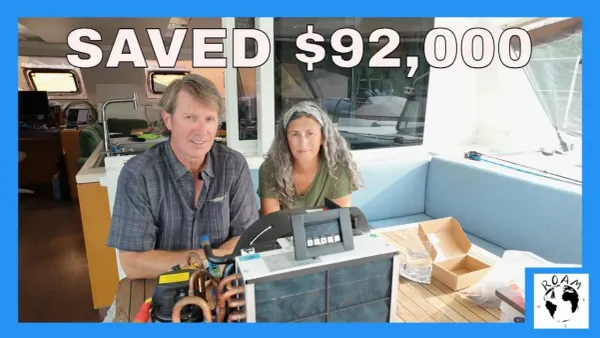
Budget for more time and more money than planned. Six months became two years. Some of that was scope, some was unplanned problems — like scrapping and rebuilding the entire PEX fresh water system after it wouldn't stop leaking. Ordering big-ticket items internationally, including from China, can save significant money but requires planning around long shipping timelines.
Materials have requirements that aren't optional. Paint, primer, epoxy, and resin all have temperature and humidity thresholds for curing properly. Planning seasonal work around those constraints — sanding in cold weather, painting interior spaces when dew points make exterior work impossible — avoids wasted material and redone work.
A yard's reputation can be outdated. A well-known yard with a strong history doesn't guarantee current staffing or quality. Talking to people who've had work done in the last six to twelve months, not three years ago, is the only reliable way to know what a yard is actually capable of right now. Any hired work needs a fixed-price contract with details specified — how paint gets applied, how fiberglass gets handled, under what conditions.
Related Episodes
The fresh water system leak troubleshooting referenced here is documented in full in EP66. The relaunch itself is covered in EP72.
What Comes Next
Leaving the yard isn't the end of the project — it's the shift from refit to cruising life, with systems getting tested, tuned, and improved along the way instead of worked on in isolation. The mainsail still needs to go up for the first time. The wind sensor needs straightening. The punch list continues, but now it happens on the water, headed somewhere new.