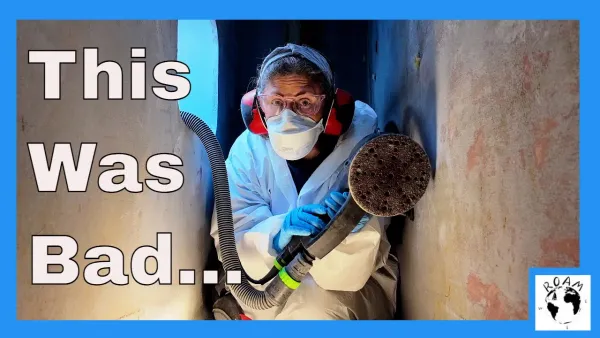
EP50 - Making Roam water-tight again.
We permanently patch unused thru-hulls and seal the hull—one of the most critical steps toward safely floating again.
Is a boat really a boat if it can’t float?
Months earlier, we removed every thru-hull on Roam as part of a larger plan to replace aging fittings with new seacocks and skin fittings. But as the refit evolved, so did our systems layout—and that meant some holes in the hull were no longer needed at all.
In this episode, we focus on one of the least glamorous but most critical parts of any refit: eliminating unused thru-hulls and permanently sealing the hull so the boat can safely return to the water.
📺 Watch Episode 50👉
Permanently sealing unused thru-hulls to make a cruising catamaran watertight again.
Why These Thru-Hulls Had to Go
As plans changed, several original thru-hulls no longer made sense:
- Systems like the watermaker are being relocated
- The generator is being removed entirely
- Two thru-hulls lived in a tiny bilge space that was nearly impossible to access for inspection or maintenance and weren't connected to anything!?!
Keeping unnecessary holes below the waterline isn’t just inconvenient—it’s a risk we weren’t willing to accept.
The Reality of Underwater Repairs
Patching a hole in a hull isn’t something you rush.
To do this right, we:
- Carefully prep each opening
- Build proper fiberglass layups
- Ensure structural integrity, not just a cosmetic patch
- Take the time needed for curing and inspection
These are the kinds of repairs you want to do once—and then never think about again.
Why This Step Matters
This work doesn’t show up as shiny hardware or dramatic visuals, but it’s foundational.
By removing unused thru-hulls and sealing the hull properly, we:
- Reduce failure points below the waterline
- Eliminate inaccessible maintenance traps
- Increase long-term safety and peace of mind
It’s one of those jobs that doesn’t feel exciting—until you imagine what happens if it’s skipped.
In This Episode
- Reviewing removed and unused thru-hulls
- Deciding which hull penetrations to eliminate
- Proper preparation for underwater fiberglass repairs
- Laminating and sealing hull openings permanently
- Getting Roam one step closer to floating again
What Comes Next
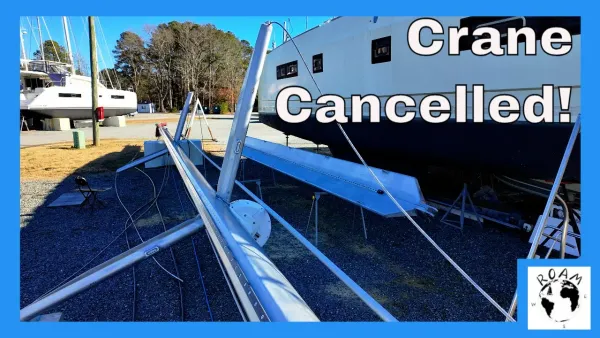
With the hull finally watertight, we’re nearing a major milestone: returning Roam to the water. Up next are the projects that build on this foundation—rigging, systems, and the long path toward sailing again.